
Preparing Your Small Business for End-of-Year Tax Season


Understanding Your Tax Obligations
As the year comes to a close, preparing your small business for tax season is crucial. Understanding your tax obligations is the first step in ensuring a smooth and stress-free process. Familiarize yourself with the types of taxes applicable to your business, such as income tax, sales tax, and payroll tax. Each of these has its own deadlines and requirements.
It's important to note that tax laws can change annually. Keeping up-to-date with these changes will help you avoid unnecessary penalties. Consider consulting a tax professional to ensure compliance and to gain insights specific to your industry and location.
Organizing Financial Records
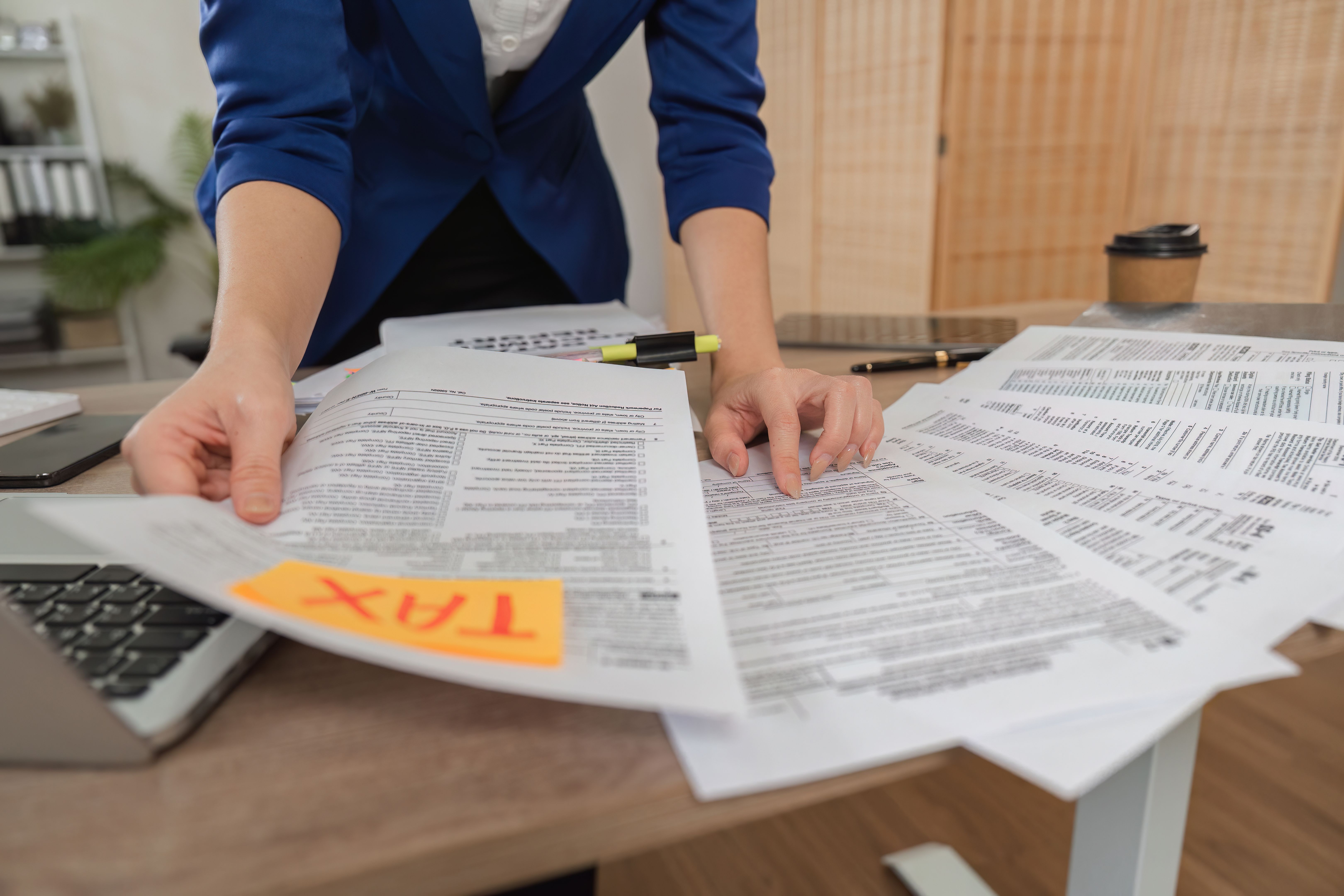
Having organized financial records is essential for accurate tax filing. Start by gathering all necessary documents, such as income statements, expense receipts, and bank statements. Use accounting software to streamline this process and reduce the risk of errors.
Regularly updating your financial records throughout the year can save you a lot of time and hassle when tax season arrives. Make it a habit to review and organize your documents at least monthly, if not weekly.

Utilizing Accounting Software
Accounting software can be a game-changer for small businesses. It simplifies the process of tracking income and expenses, generating reports, and even filing taxes. Popular options include QuickBooks, Xero, and FreshBooks. Choose one that fits your business needs and consider investing time in learning its features.
Identifying Tax Deductions
Maximize your business’s tax efficiency by identifying potential deductions. Common deductions for small businesses include office supplies, travel expenses, and advertising costs. Keeping detailed records of these expenses will make it easier to claim them during tax filing.
It's also wise to explore lesser-known deductions, such as home office expenses or education costs related to improving your business skills. These can significantly reduce your taxable income and save you money.

Planning for Next Year
Once you've tackled the current tax season, take some time to plan for the next year. Consider setting up a separate bank account for taxes, where you can regularly deposit a percentage of your income. This can prevent last-minute scrambles to find funds for your tax bill.
Additionally, stay informed about any upcoming changes in tax regulations that may affect your business. Adapting your strategy early can make a significant difference in your financial preparedness.

Consulting a Tax Professional
While managing taxes on your own can be feasible, consulting a tax professional is often worth the investment. They can offer expert advice, help you navigate complex regulations, and potentially save you more money than their fees.
Choose a professional familiar with small businesses in your industry. This ensures they have the relevant experience and knowledge to provide you with the best guidance possible.
By taking these steps, you'll not only be prepared for tax season but also set your small business up for financial success in the coming year. Staying organized, informed, and proactive is key to minimizing stress and maximizing your tax benefits.